


There’s a particular kind of traveler who lands in Kathmandu, looks at the usual list of trekking routes, and quietly wonders if there’s something less crowded out there. If that sounds like you, the Manaslu circuit trek is probably already on your radar, even if you haven’t fully decided whether it’s the right fit.It’s easy to assume the appeal is just Mount Manaslu itself, or the bragging rights of crossing a 5,000-meter pass. But talk to people who’ve actually walked it, and the mountain is rarely the first thing they bring up. They talk about the valley slowly changing shape around them, the villages that feel more lived-in than staged, and the small logistical decisions that shaped how the whole trip went. The Manaslu Trek Nepal isn’t something you can wing the way you might a shorter, more established route — the remoteness and the regulated permit system mean a bit more planning goes into it before you even land in Nepal.
This article walks through three things that actually matter here: how the landscape shifts as you climb, what the culture along the trail really looks like, and the practical realities — including where a trekking agency fits in — that shape whether the trip goes smoothly or not.
In short: the Manaslu Circuit is a long-distance Himalayan trek in western-central Nepal that combines high mountain scenery, remote villages, Tibetan-influenced culture and the Larkya La pass.
How the Manaslu Circuit Changes as You Walk
From Lower Valleys to the High Himalaya
One of the things that catches people off guard is how gradual it all is. You don’t just leave Kathmandu and suddenly find yourself staring at snow peaks. The early days follow river valleys that are surprisingly green, with terraced fields cut into the hillsides and small farming settlements scattered along the trail. It feels, honestly, a bit more like rural Nepal than mountain Nepal at this stage. Then, almost without noticing exactly when it happened, the vegetation starts to thin. Pine forest gives way to rhododendron, and eventually to scrubbier alpine growth as the elevation climbs. The valleys that once felt narrow and enclosed start opening up, and the views stretch further with each passing day. By the time the Manaslu massif comes properly into view, you’ve already walked through what feels like several different countries’ worth of scenery.
The High Point: Larkya La
Larkya La is the section everyone builds the trip around, and for good reason. Crossing a high Himalayan pass isn’t just a taller version of the walking you’ve been doing — it changes the entire character of the day. The cold sets in early, wind picks up without warning, and depending on the season, snow can make footing tricky in places. This isn’t a spot to treat as just another photo stop. Acclimatization matters far more here than most people expect going in, and rushing this section because you’re eager to “get it done” is exactly the wrong instinct to follow.
Villages, People and the Culture Along the Trail
The human side of this route is, for a lot of trekkers, what actually stays with them longest. As you move higher into the Manaslu region, the villages start to reflect the altitude and geography around them — stone houses, tighter clusters of buildings, livestock that seem built for the cold.In the upper reaches, Tibetan Buddhist influence becomes hard to miss. Prayer flags stretch between rooftops, mani walls line the trail edges, and chortens mark points along the path that locals have passed for generations, not just tourists. Monasteries appear in some of the smaller settlements, often unassuming from the outside but clearly central to daily life inside.
It’s worth being honest about something here: these are working mountain communities, not attractions built for visitors. People are farming, herding, running households — trekking tourism is part of their economy, sure, but it isn’t the reason the culture exists. Walking through respectfully, whether that’s near a monastery, a home, or a religious site, isn’t just etiquette advice from a guidebook — it genuinely matters to the people who live there year-round.
What Makes the Manaslu Trek Practically Different?
Compared with some of Nepal’s more accessible trekking regions, Manaslu asks more of you logistically. The trail is remote in a way that changes how you need to think about the whole trip. Walking days can run long, and mountain weather has a habit of shifting faster than any forecast suggests it will. Accommodation in the more remote stretches tends to be basic — clean and functional, generally, but don’t expect the comforts you might find on busier routes. Food choices simplify as you gain elevation too, largely because supplies have to be carried in. Connectivity is patchy at best in places, so it’s smart not to assume you’ll have signal or charging access whenever you want it. Given all that, building some flexibility into your itinerary rather than scheduling every single day down to the hour tends to save a lot of frustration later.
Altitude Deserves Respect
Altitude becomes a real factor the higher you go, and it’s not something to treat casually. Gradual ascent gives your body time to adjust. Watch for headaches, nausea, unusual fatigue, or dizziness — these are common early warning signs, not something to just push through. If symptoms worsen rather than settle, the right move is to descend and get help, not to keep climbing and hope it passes.
Why a Trekking Company in Nepal Can Matter on Manaslu
This is where a lot of first-time Manaslu trekkers realize they need more support than they initially planned for. A good Trekking Company In Nepal typically helps with route planning and itinerary design that actually accounts for acclimatization rather than just cramming in distance. They also handle the paperwork and permit arrangements this region requires, which can be confusing to navigate independently given how the rules here differ from more open trekking areas. Beyond documentation, agencies coordinate guides and porters where needed, sort out transport between Kathmandu and the trailhead, and — maybe most usefully — step in when weather or road conditions throw the original plan off course, which happens more often than travelers expect. Local knowledge of a remote region like this genuinely counts for something when things don’t go according to schedule.
For travelers comparing a Trekking Agency in Kathmandu, companies such as Adventure Great Himalaya and Expedition can be part of that research, especially when the priority is understanding the practical side of organizing a Manaslu journey rather than simply buying a fixed itinerary.
What Should Travelers Prepare for Before the Trail?
Keeping this short on purpose, because the real question isn’t “what’s on the list” but “what actually affects comfort and safety.” Proper trekking footwear and layered clothing matter more than any single high-tech gadget you might be tempted to buy. Warm sleeping clothes become essential once you’re above the tree line, and having a reliable way to purify drinking water saves both money and stomach trouble.
Bring your own medication and a basic first-aid kit — options are limited once you’re deep into the route. Sun exposure at altitude is stronger than it looks, so don’t skip protection there. A daypack for essentials makes sense if porters are carrying the heavier gear, and travel insurance that actually covers high-altitude trekking and emergency evacuation isn’t optional in any practical sense. Beyond gear, some physical preparation for consecutive walking days pays off more than most people anticipate.
The Manaslu Circuit Is About the Journey, Not Just the Pass
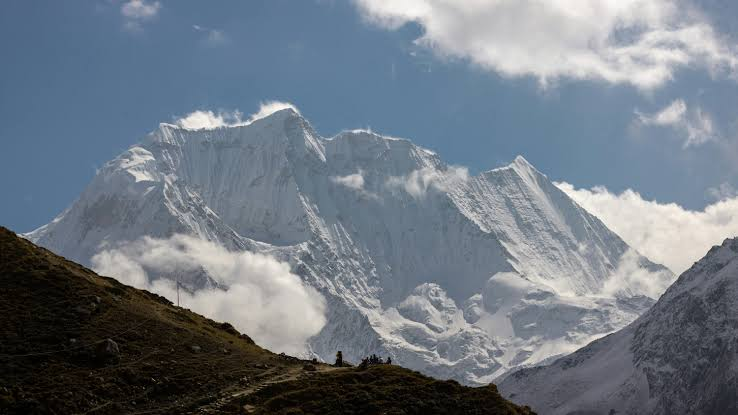
If you ask trekkers afterward what they remember most, it’s rarely the single moment at Larkya La. More often, it’s the slow shift in scenery over the days before it, or a conversation near a village monastery, or the rhythm of walking through a place that changes a little more each morning. That’s a different kind of trip than one built around a single destination dominating everything else. The combination of shifting landscape, mountain culture, physical effort and genuine remoteness is what gives this route its character. It rewards travelers willing to slow down and notice the smaller details along the way, rather than rushing from one landmark to the next.
Frequently Asked Questions About the Manaslu Circuit Trek
Is the Manaslu Circuit Trek difficult?
Yes, in a way that combines several factors — long walking days, altitude gain, the demands of crossing Larkya La, and the general remoteness of the terrain. It’s manageable for reasonably fit trekkers, but it shouldn’t be underestimated.
How high is the Manaslu Circuit Trek?
The trail’s high point is Larkya La, at roughly 5,100 meters. That said, altitude is only one part of what makes the trek challenging — terrain, weather and trail conditions all play a role too.
What is the culture like on the Manaslu Circuit?
It’s a mix of Himalayan farming communities lower down and strong Tibetan Buddhist influence as you move into the upper Manaslu region, visible in monasteries, prayer flags and traditional village architecture.
Do I need a guide for the Manaslu Circuit Trek?
Current regulations require organized trekking arrangements in this region rather than fully independent trekking. Since rules can be updated, it’s worth confirming the latest requirements before finalizing your plans rather than relying on older information.
How many days does the Manaslu Circuit Trek take?
There’s no single fixed number — the actual duration depends on your itinerary, acclimatization schedule, transport arrangements, and whether you add side trips along the way.
Can I arrange the Manaslu trek through a Trekking Agency in Kathmandu?
Yes. An agency can help with itinerary planning, required documentation, transportation logistics, and coordinating guides and porters, which takes a fair amount of the planning burden off your hands.